



US drug pricing continues to shape debates on affordability and market access. Recent data show that list prices for leading medicines have risen markedly since launch, while prices in many other countries have fallen. This article outlines the evidence published by AARP and discusses implications for policy and payers.
Background on Price Movements
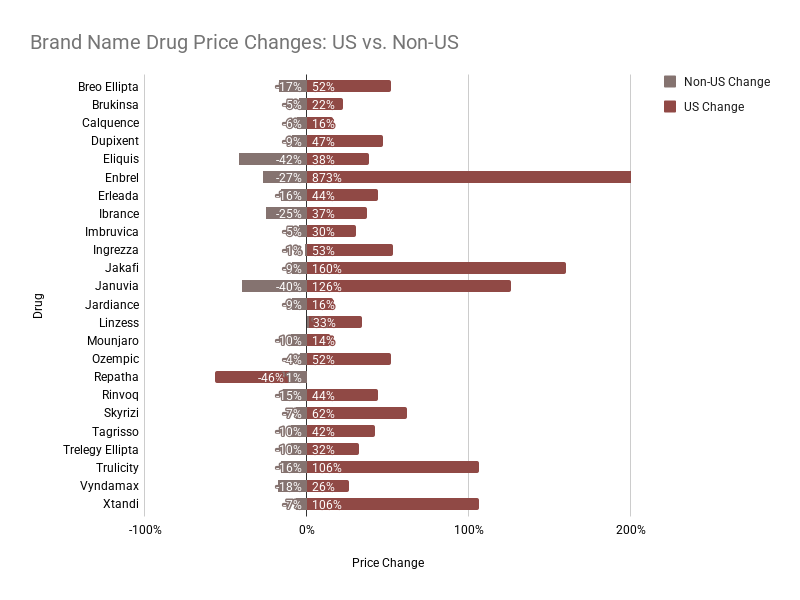
Twenty-five high-spend Medicare Part D medicines provide a clear illustration. On average these products have been marketed for eleven years in the United States and ten years abroad. Six of them recorded one-time price cuts of about 40 percent after Medicare negotiation. Without those cuts the cumulative increases would have been larger still.
Key Findings from Recent Analyses
Analysis of list prices reveals a consistent pattern. All but one of the 25 medicines recorded higher lifetime price growth in the United States than in nineteen comparator countries. Those countries include Australia, Canada, France, Germany, Japan and the United Kingdom. In the comparator group, average lifetime price changes were negative.
- Price reductions abroad occurred through routine renegotiation and external reference pricing.
- Launch timing explains only part of the difference.
- US reductions were concentrated in products subject to the Inflation Reduction Act.
Policy and Market Access Implications
Higher US prices raise Medicare expenditure and beneficiary cost sharing. International experience suggests that structured negotiation can moderate growth without blocking early access. Decision makers may therefore consider expanding the range of medicines open to review and aligning review cycles more closely with those used abroad.
Recommendations for Stakeholders
Manufacturers should prepare for continued pressure on post-launch increases. Payers can model the effect of broader reference pricing on budget impact. Policymakers might evaluate whether additional therapeutic areas would benefit from similar negotiation frameworks. Ongoing monitoring will show whether recent cuts produce lasting savings or prompt offsetting rises elsewhere.
Conclusion
US drug pricing stands apart from trends in comparable markets. Evidence supports measured policy adjustments that balance innovation incentives with affordability goals. Further research on post-negotiation price behaviour will help refine these approaches.
Reference
Purvis, L. (2026). Prices for top brand name drugs increase after entering the US market but fall in other high-income countries. AARP Public Policy Institute.
Table of Contents