


HEOR policy integration is a key driver in healthcare systems. As costs climb globally, organisations like ISPOR push for evidence that shapes decisions on pricing, access, and outcomes. Under CEO Rob Abbott, ISPORs 2030 strategy targets accessible, effective, efficient, and affordable care. In this update, I analyse these shifts, drawing on Abbotts views to highlight pathways for stakeholders.
Historical Context and Strategic Shifts
ISPOR, with nearly 30 years in health economics and outcomes research (HEOR), once prioritised methods and models. Now, leaders focus on direct policy influence. The 2030 vision sets partnership as central, since no single entity can transform systems alone. Abbott states that ISPOR leads, convenes, and guides efforts.
The strategy rests on two goals. First, it redefines value-based healthcare by assessing what value means, how to measure it, and how to share it across groups. Second, ISPOR acts as a HEOR advisor for global policy. This marks a change from incidental links to deliberate HEOR policy integration.
The ISPOR Institute for Healthcare Transformation was launched to translate science into insights. It targets real-world use, ensuring evidence reaches policymakers.
Core Insights Shaping HEOR Policy Integration
Several trends underpin this approach. Real-world evidence (RWE), economic methods, patient-centred studies, special populations, emerging technologies, and health technology assessment (HTA) form the blueprint. These reflect forces like EU HTA rules and US pricing pressures.
Principles guide progress. Scientific rigour builds trust among payers and regulators, yet, translation matters equally; decision-makers need clear, usable evidence. Value anchors everything—pricing and access must rest on solid evidence.
- RWE integration: Links clinical and economic data, though US fragmentation limits access.
- Methodological advances: Standards for AI and analytics ensure reliable outputs.
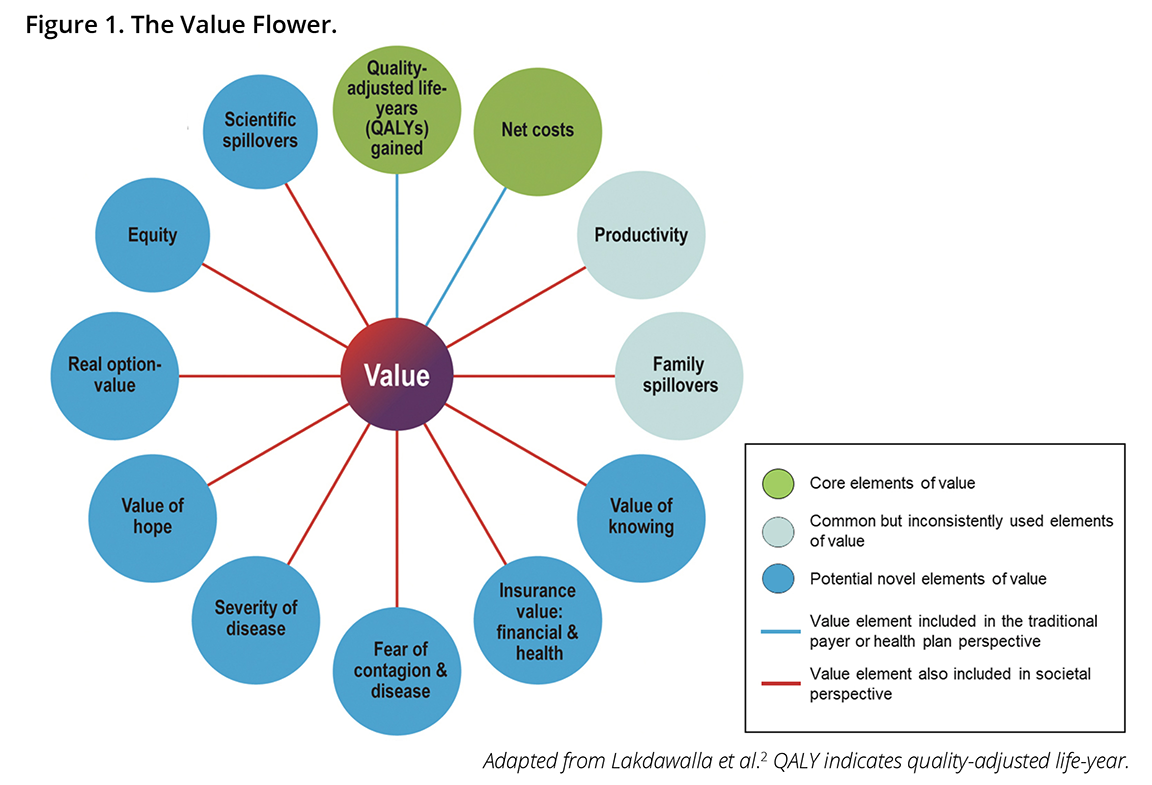
- Multidimensional value: ISPORs Value Flower expands beyond cost-effectiveness to include equity and patient preferences (Figure 1).
US Dynamics and Global Comparisons
The US differs from centralised systems. Without a national HTA body, private insurers, Medicare, and Medicaid operate independently, and there’s no standard willingness-to-pay threshold. Still, HEOR policy integration can advance. ICER conducts assessments, while CMS applies HTA elements in IRA negotiations and gene therapy models. These cut prices by up to 60% for select drugs (CMS, 2025). Globally, models like NICE demonstrate success through transparency and stakeholder input. Abbott calls for coordination to cut duplication and build methodological consistency.
Gaps, Opportunities, and Stakeholder Roles
Challenges remain. Data silos affect 60% of RWE efforts (ISPOR, 2024), and quality varies. Recommendations for HEOR policy integration include:

- Payers: Standardise RWE protocols for consistent assessments.
- Regulators: Embed multi-criteria frameworks in coverage rules.
- Industry: Generate lifecycle data aligned with expanded value metrics.
Future Priorities and Collaborative Path
Abbotts focus balances rigour with impact. RWE-HEOR fusion leads, followed by AI adoption and broader value measures, while the Institute drives leaps in data quality and policy links.
HEOR policy integration promises better decisions amid pricing and access pressures. ISPORs strategy connects evidence to outcomes, urging stakeholders to act. Engage with ISPORs resources or attend events to contribute. What steps will you take for stronger HEOR policy integration?
Table of Contents